How to select the right career coach!
How to Select the Right Career Coach!
Not every competent career coach is necessarily the right coach for you. In this video, we look at four important factors when selecting a career coach:
• Personal chemistry – Do you feel comfortable and understood?
• Trust – Can you openly share your situation and goals?
• Credentials & experience – Does the coach have the right qualifications and relevant experience?
• Financials – Are the fees and payment terms clear and appropriate?
This is the second video in the Career Coaching series.
Why you profit from working with a career coach!
Are you still on the right career path?
How can you earn more—or find work that is more meaningful?
And what will happen to your job as AI and technology transform the world of work?
In this video, I explore three major career challenges:
1. The Blind Spot
2. Understanding What It Takes
3. Understanding the Future Career Context
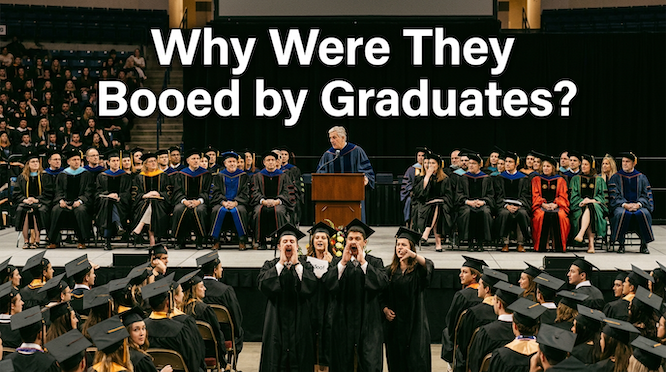
Why Were They Booed by Graduates?
What does it take to get booed by thousands of university graduates? In 2026, apparently, talking positively about Artificial Intelligence.
At several U.S. university commencement ceremonies in 2026, speakers were booed after discussing Artificial Intelligence and its impact on the future of work. Among them was former Google CEO Eric Schmidt, who addressed graduates at the University of Arizona.
Why such a strong reaction in a country that has traditionally embraced technological innovation?
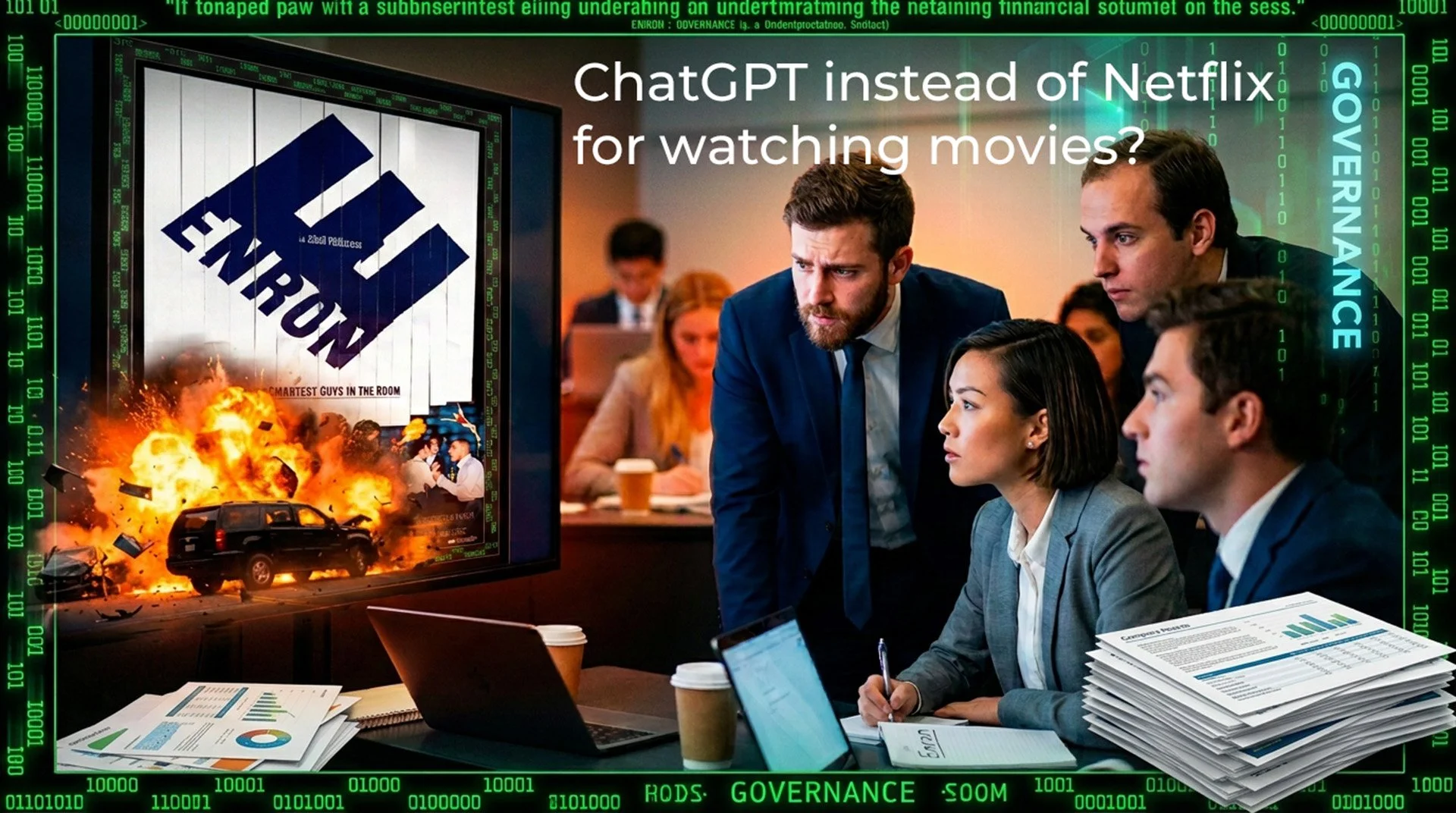
ChatGPT instead of Netflix for watching movies?
Why don't we simply use ChatGPT or NotebookLM to "watch" movies or summarize complex books?
In this blog, I explore a provocative question that originated in a Corporate Governance course for Executive MBA students.
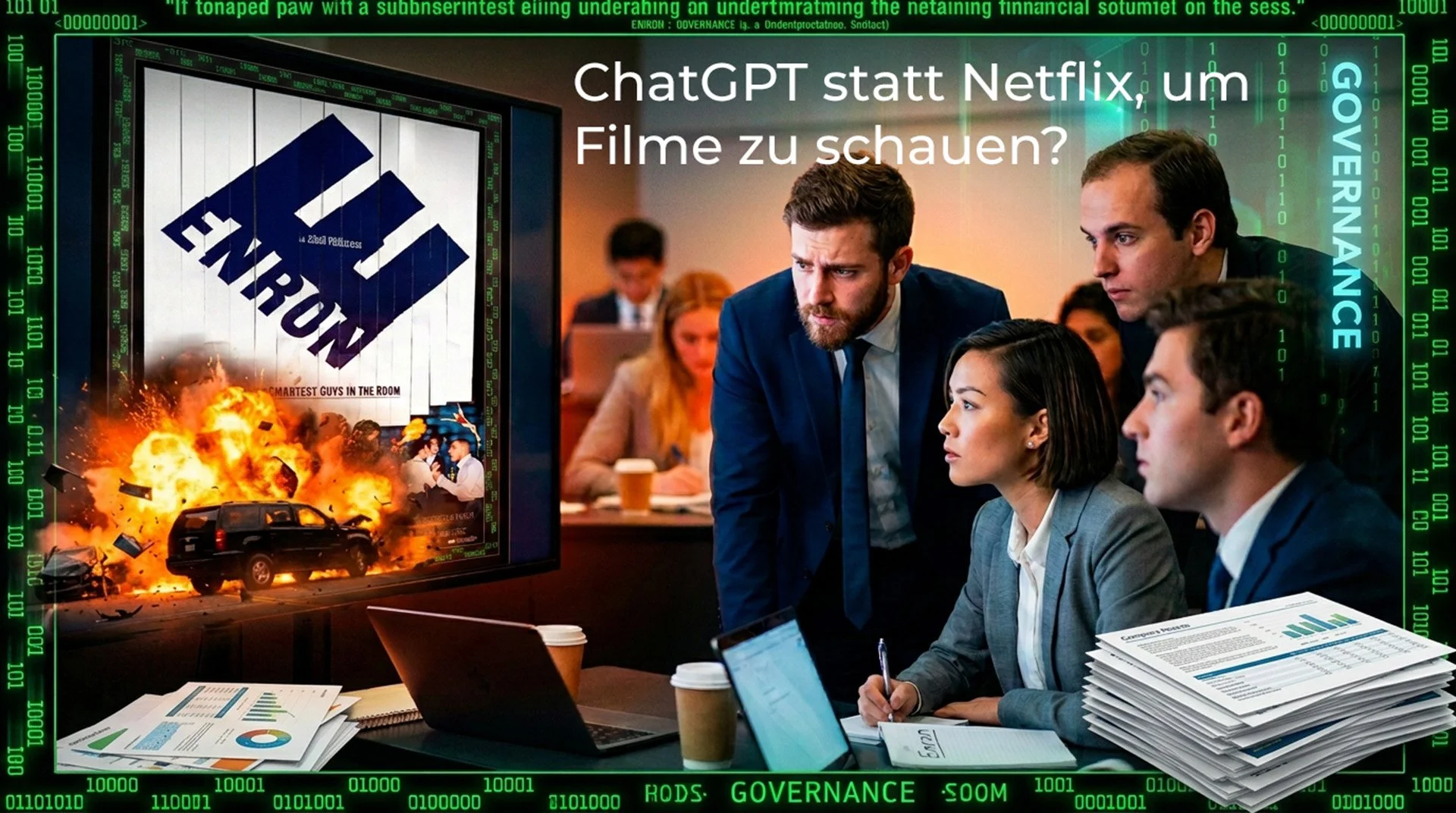
ChatGPT statt Netflix, um Filme zu schauen?
Warum nutzen wir nicht einfach ChatGPT oder NotebookLM, um Filme zu „schauen“ oder komplexe Bücher zusammenzufassen?
In diesem Blog gehe ich einer provokanten Frage nach, die ihren Ursprung in einem Corporate-Governance-Kurs für Executive-MBA-Studierende hat.

Wie Sie sich selbst erfolgreich sabotieren, um Ihre Projektziele zu erreichen – Einige praktische Tipps!
„Wie sabotiert man sich am besten selbst, um seine Projektziele zu erreichen?“
Viele von uns sind wahre Meister darin, sich selbst am Erfolg zu hindern. Wenn Sie Ihre Projektziele wirklich vermeiden wollen, brauchen Sie eine Strategie, Disziplin und die feste Entschlossenheit, konsequent alles Falsche zu tun.

AI is a net job creator, not a job killer!
I just published a research article on the impact of artificial intelligence on work.
„AI is a net job creator, not a job killer!“
A significant replacement of human labor by AI is not expected until 2030. However, AI skills become important and job-relevant during this period.
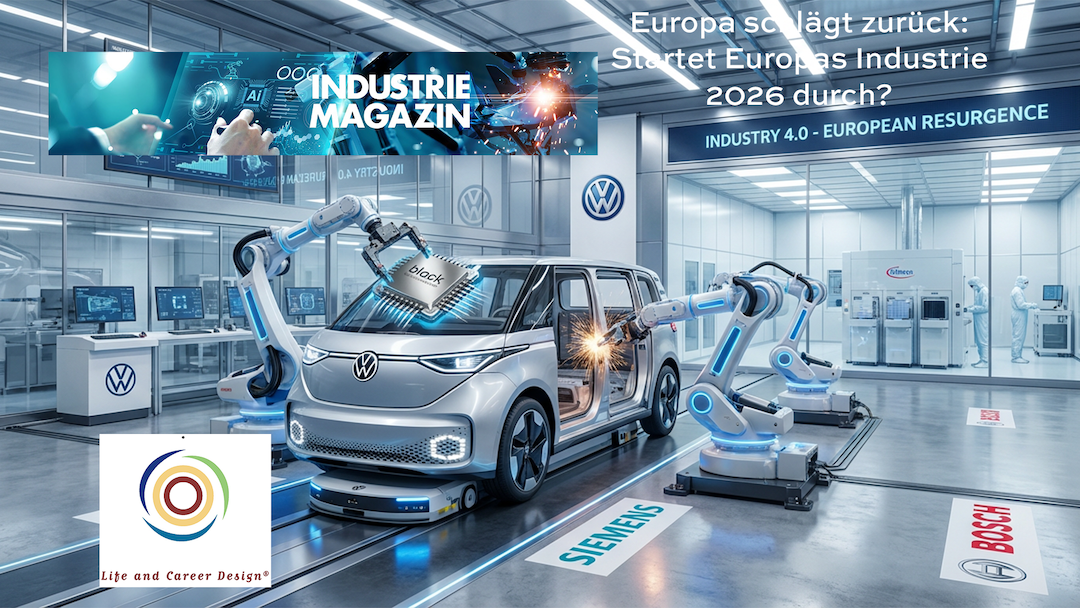
Startet Europas Industrie 2026 durch?
Das INDUSTRIEMAGAZIN hat im Jahre 2025 Top-recherchierte Beiträge über die europäische Wirtschaft geliefert, doch waren diese klar in Moll und nicht in Dur gestimmt. Eine depressive Grundstimmung herrschte vor. Zum Jahresbeginn bringe ich Ihnen folgenden Beitrag, um zu zeigen, dass Europas Industrie Innovatives zu bieten hat.

Work will be optional! Really? Elon Musk and Jensen Huang
Work will be optional! Really? Elon Musk & Jensen Huang
Elon Musk offered a long-term prediction that work will become optional (perhaps in 10 to 20 years), similar to playing a video game or growing vegetables in a backyard as a hobby.
Jensen Huang countered with a near-term perspective, suggesting that while everyone's jobs will change and people will be more productive, they will likely be busier. This increased productivity frees up time to pursue the numerous ideas and backlog items that people or companies have.
The debate took place at the U.S.-Saudi Arabia investment forum in Washington in November 2025. The link to the whole conversation is below.

Quality Assurance in Higher Education: Focusing on What Truly Matters
Quality Assurance in Higher Education: Focusing on What Truly Matters
Quality assurance in higher education is becoming increasingly difficult in a fast-changing world. With over 30 years of experience in accreditation and quality systems, I’ve learned that external certification can support improvement—but it can also hinder it when it no longer serves the institution’s real goals. This raises the essential question: What is the prime directive of higher education?
The prime directive:Students should be supported to succeed in their lives and careers.
Yet many quality assurance and accreditation systems fail to fully measure this outcome. Typical metrics—such as job placement within six months or satisfaction surveys at graduation—capture only short-term results. Long-term career impact, personal development, and transformative learning often remain invisible.
My own Executive MBA experience illustrates this. While demanding and costly in the moment, its true value only emerged years later, shaping my work as a consultant, academic director, and dean. However, neither the institution nor external accreditors measured this long-term impact.
New Challenges Require New KPIs
In a world reshaped by rapid technological change, especially AI, students need more than technical skills that may quickly become obsolete. Skills such as self-management, adaptability, communication, and learning agility are essential for long-term success. Current accreditation systems rarely give these competencies significant weight. To remain relevant, institutions must redefine key performance indicators and distinguish clearly between short- and long-term goals.
The Cost of Irrelevance
With rising tuition in some countries and increasing pressure on public budgets in others, misaligned degrees carry major economic and social risks. Micro-degrees and work-integrated learning may, in many cases, offer better value.
Aligning Accreditation With the Prime Directive
Where institutions can choose their accreditor, they should select one that supports long-term student success. Ultimately, aligning internal quality assurance with external accreditation around the prime directive is essential for a resilient, future-ready higher education system.